Leave Your Message

2026 Best Types of Interior Wood Doors for Buyers?

Choosing the best Interior Wood Doors in 2026 involves more than matching grain with flooring. Buyers must consider structure, climate, privacy, maintenance, and daily use. A beautiful door can still warp, swell, or transmit every hallway sound.

Design researcher Donald Norman offers a useful warning: “Good design is actually a lot harder to notice than poor design.” That principle fits interior doors perfectly. A well-chosen oak stile-and-rail door should close quietly, align evenly, and feel balanced in the hand. Its quality may seem invisible. Poor construction becomes obvious quickly.

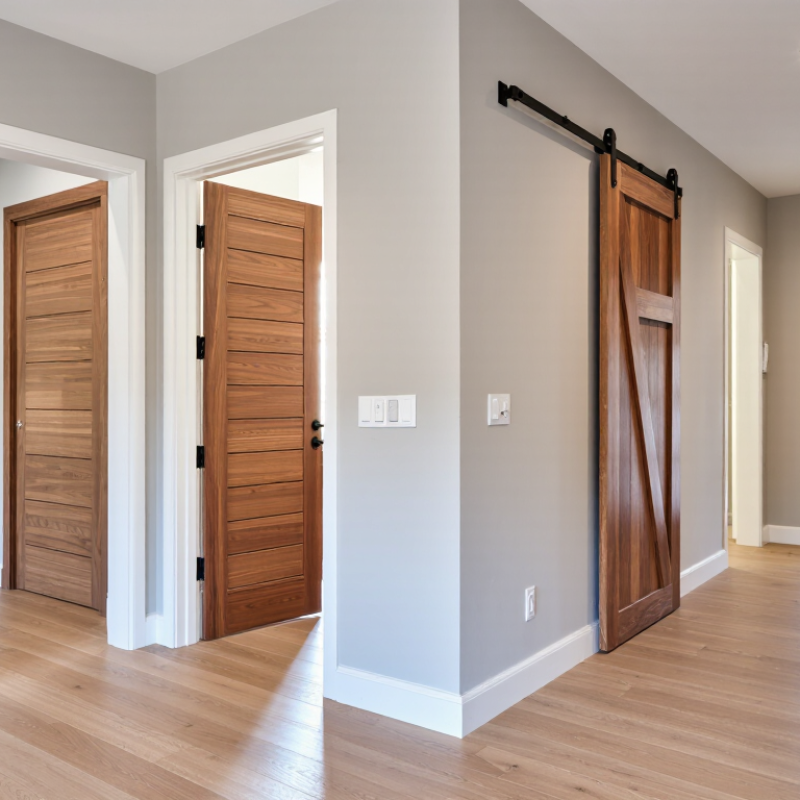
This guide examines solid wood, engineered wood, flush, louvered, glass-panel, pocket, and barn-style doors. Each type solves a different problem. Solid wood provides warmth and repairability, but seasonal movement requires careful installation. Engineered wood often delivers better stability in humid rooms. Flush doors suit clean, modern interiors, while glass panels borrow light between darker spaces.

Details matter.

Check the core, veneer thickness, hinge quality, and finish before buying. Measure the rough opening, not only the existing slab. Confirm the swing direction, wall depth, and local fire-rating requirements. These steps sound ordinary, yet many expensive mistakes begin here.

There is no universal winner. A quiet bedroom door may need a dense core, while a pantry may benefit from ventilation. My own preference can be challenged: natural wood is attractive, but it is not always the most practical choice. The best Interior Wood Doors balance appearance, performance, budget, and the realities of your home.
2026 Best Types of Interior Wood Doors for Buyers?

What Defines an Interior Wood Door in 2026

What Defines an Interior Wood Door in 2026

In 2026, an interior wood door means more than a wooden-looking slab. It should combine a wood surface, a stable core, and dependable joinery. Buyers may choose solid wood, engineered wood, or a veneer over a composite core. Each option behaves differently beside a steamy bathroom or a sunny hallway.

The U.S. Census Bureau’s 2023 American Housing Survey reported a median home construction year of 1979. That aging housing stock creates steady demand for door replacement, but matching old openings can be difficult. The U.S. Environmental Protection Agency reported 600.6 million tons of construction and demolition debris in 2018. A repairable, refinishable door may therefore deserve attention, although wood content alone does not prove sustainability. I would check the core, adhesive information, finish, and expected service life.

Tips: Measure the rough opening, wall thickness, swing, and hinge position before ordering. Use engineered wood where humidity changes sharply. Reserve solid wood for rooms with stable indoor conditions. Ask for moisture guidance and care instructions. Small details matter.

A reliable 2026 door should also reduce daily friction. Smooth edges, accurate reveals, quiet hinges, and a finish that tolerates fingerprints are practical indicators. Formal performance data is useful, but real installation quality still decides the result. That part is often underestimated. A beautiful door can fail when the frame is twisted or the floor is uneven.
How to Compare Solid Wood, Engineered Wood, and Solid-Core Doors

2026 Best Types of Interior Wood Doors for Buyers?

How to Compare Solid Wood, Engineered Wood, and Solid-Core Doors

Choosing an interior wood door starts with the room’s demands. Solid wood offers natural grain, strong repairability, and a substantial feel. However, it can expand or shrink when humidity changes. I have seen a well-fitted door rub against its frame after one wet season. That detail is easy to overlook.

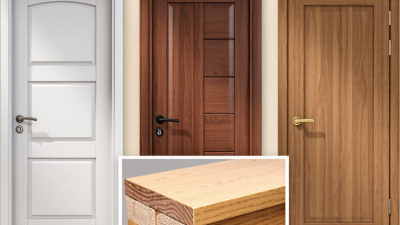
Engineered wood uses layered timber or wood fibers beneath a finished surface. Its structure usually resists warping better than a single timber board. It can provide convincing grain without the same seasonal movement. Solid-core doors contain a dense composite center, often beneath a wood veneer. They feel heavy, reduce sound transfer, and suit bedrooms or studies. They may cost less than solid wood, but damaged veneer can be difficult to repair invisibly.

Tips: Check the door’s weight before ordering. Existing hinges may need stronger screws or reinforcement. Measure the frame, threshold, swing, and clearance carefully. Ask about moisture resistance for kitchens, laundry rooms, and bathrooms. A small sample helps reveal whether the grain, color, and edge finish look natural. My own mistake was judging quality from the front panel alone. The edges and hinge areas often reveal more. Don’t skip those areas.

2026 Best Types of Interior Wood Doors for Buyers

Typical performance comparison on a 1–5 scale, based on common material characteristics. Higher scores indicate stronger overall performance for the listed criterion.

How to compare: Solid wood offers a natural appearance and strong durability but is more sensitive to humidity changes. Engineered wood generally provides better dimensional stability and consistent performance. Solid-core doors usually deliver the best sound reduction and a substantial feel, while material and installation costs can vary by construction and finish.

Which Interior Wood Door Styles Suit Different Rooms

In 2026, interior wood doors should match each room’s function, not just its decoration. A six-panel door suits bedrooms because its traditional profile feels warm and private. Choose a solid-core model for sleeping areas, bathrooms, and studies. It reduces sound better than hollow construction. Still, a door alone cannot fix a poorly sealed frame.

The 2024 What Home Buyers Really Want study from the National Association of Home Builders found that 86% of buyers consider a laundry room essential or desirable. For laundry spaces, louvered wood doors can support airflow, especially near dryers. However, open louvers may transmit noise and odors. A tighter panel door may work better beside bedrooms. Small details matter.

Home offices need visual separation without feeling sealed away. The 2024 Home Design Trends Survey from the American Institute of Architects reported continued interest in flexible work areas. French-style wood doors with clear or textured glass can share daylight while defining the workspace. For narrow rooms, sliding wood doors save swing space. They can feel elegant. They also offer weaker acoustic privacy.

Flush wood doors suit minimalist living rooms and modern hallways. Raised panels bring more character to dining rooms and entry corridors. I have seen buyers choose dramatic dark wood for every room, then regret how heavy the hallway feels. Natural grain, lighter stains, and consistent hardware often create a calmer transition between spaces.

What Materials, Finishes, and Features Affect Door Performance

The best interior wood door in 2026 depends on materials, room conditions, and daily use. Solid wood offers natural grain, weight, and strong impact resistance. However, it can expand or contract when indoor humidity changes. Engineered wood often provides better dimensional stability, especially in apartments with heating or cooling systems. Hollow-core doors cost less and feel lighter, but they usually provide weaker sound control and impact resistance.

The finish affects more than appearance. A clear finish highlights grain while exposing scratches more visibly. Opaque paint hides varied wood tones and allows easier color matching. Water-based coatings usually produce less odor during installation, but surface preparation still matters. Door edges deserve attention because unfinished edges absorb moisture quickly. Small details matter. A poorly sealed edge can shorten service life.

Performance also depends on the core, seals, hinges, and frame alignment. A denser core can reduce hallway noise, although it may increase door weight. Compression seals help limit drafts and light gaps, but they can make closing feel tighter. For bathrooms, kitchens, and laundry areas, choose moisture-resistant construction and inspect the bottom edge carefully. Ask suppliers for documented sound, durability, or fire-performance testing when those ratings matter. No material wins every test. I have seen attractive doors fail because installers ignored uneven floors, weak hinges, or incorrect clearances. Budgeting only for the slab is an easy mistake to reconsider.

How to Choose the Best Interior Wood Door for Your Home

Choosing the best interior wood door starts with your home's daily needs, not style alone. In my experience, accurate measurements prevent expensive mistakes. Measure the opening width, height, and wall thickness. Check the swing direction and nearby furniture. A beautiful door can still feel wrong.

Solid-wood doors provide natural grain, weight, and strong sound reduction. They suit bedrooms, studies, and traditional interiors. However, they may expand or shrink when indoor humidity changes. Engineered wood doors usually resist movement better and offer consistent performance. They can be a practical choice for busy homes. Flush doors create a clean, modern appearance, while panel doors add depth and visual character. For bathrooms, choose a well-sealed surface and maintain ventilation. Moisture remains a serious concern.

Test the door in person when possible. Open and close it several times. Listen for rattling, scraping, or weak hinges. Confirm that the frame is square and the door closes without force. A quality finish should look even around edges and corners. Ask about the core, sealants, maintenance needs, and installation conditions. These details reveal more than a showroom photograph. I once underestimated the importance of wall thickness, and the replacement frame disrupted the trim. That mistake still influences how I inspect every measurement. A small gap can become an obvious draft, noise path, or privacy problem.

2026 Best Types of Interior Wood Doors for Buyers? - How to Choose the Best Interior Wood Door for Your Home

Typical characteristics for residential interior doors. Actual performance, weight, price, and maintenance needs vary with the core, veneer, thickness, finish, and installation quality.
Door Type Typical Construction Durability Dimensional Stability Sound Reduction Moisture Suitability Relative Cost Best Applications
Solid Wood Panel Natural wood stiles, rails, and panels; may use several joined pieces. Very high; repairable and can usually be refinished multiple times. Moderate to low; expands and contracts with changes in humidity. Good, especially with a heavier door and tight perimeter seals. Limited in damp areas unless fully sealed and properly maintained. High Formal rooms, offices, libraries, bedrooms, and traditional interiors.
Engineered Wood Wood-fiber or wood-layer core with a stable wood surface or veneer. High; consistent construction helps resist splitting and surface defects. High; generally more stable than a single-piece solid-wood panel. Good to very good, depending on density and door thickness. Moderate; all edges and faces should be sealed before use in humid locations. Medium to high Most bedrooms, bathrooms outside direct splash zones, and contemporary homes.
Wood-Veneer Flush Door Thin natural-wood veneer over a composite, particleboard, or engineered core. Good; the veneer can be refinished lightly, but it is thinner than solid wood. High when the core is well balanced and the door is correctly sealed. Moderate to good; a solid or dense core performs better than a hollow core. Moderate; avoid standing water and unsealed cut edges. Medium Minimalist interiors, apartments, hallways, bedrooms, and offices.
Solid-Core Composite with Wood Finish Dense composite or mineral-filled core with a wood veneer or wood-look surface. High; resists impact better than many lightweight hollow-core doors. High; engineered materials reduce ordinary seasonal movement. Very good for interior residential use because of its greater mass. Moderate; select a moisture-rated finish for laundry or humid areas. Medium to high Bedrooms, home offices, media rooms, and spaces needing privacy.
Hollow-Core Wood-Fiber Door Thin wood-fiber skins over a lightweight honeycomb or cellular core. Low to moderate; more vulnerable to dents and damage at the edges. Good; low weight reduces handling difficulty, but the surface is less robust. Low; not ideal where privacy or noise control is important. Low to moderate; keep dry and protect exposed edges. Low Closets, pantries, low-traffic rooms, and budget-conscious renovations.
MDF or Hardboard Wood-Fiber Door Uniform compressed wood fiber, usually painted or factory finished. Moderate to high; smooth and consistent, but vulnerable if water reaches the core. Good in normal indoor conditions; less tolerant of prolonged moisture exposure. Moderate; solid-core versions provide better privacy than lightweight versions. Low to moderate unless specifically moisture-resistant and fully sealed. Low to medium Painted interiors, utility rooms, closets, and modern flat-panel designs.
Glazed Wood Door Wood frame and panels combined with one or more glass sections. Moderate to high; depends on the wood construction and safety glazing. Moderate to high; glass remains stable, while the wood frame needs sealing. Low to moderate unless laminated or insulated glass is used. Moderate; use suitable glazing and keep wood components sealed. Medium to high Dining rooms, studies, kitchens, corridors, and areas needing borrowed light.
Buyer checklist: Confirm the rough opening, door thickness, handing, swing clearance, fire-rating requirements, bathroom ventilation, finish compatibility, hinge capacity, and whether the door will be exposed to unusual humidity.