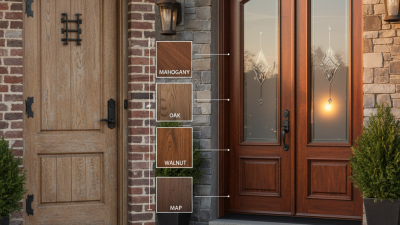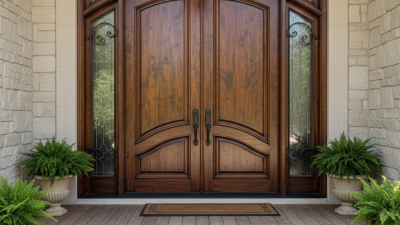
Choosing the right Wood Entry Doors in 2026 requires more than comparing finishes, prices, and photographs. Global buyers must consider climate, construction quality, installation methods, security features, and responsible sourcing. A door that performs well in a dry region may swell in coastal humidity or crack under intense sunlight. These details matter.
This guide introduces practical options for homeowners, architects, builders, and importers seeking durable wood entrance doors. It examines species such as oak, mahogany, teak, and engineered timber, while considering grain stability, moisture resistance, thermal performance, and maintenance requirements. Clear product documentation is essential. Look for certified timber, tested coatings, accurate dimensions, and reliable warranty terms.
A strong door begins with suitable materials.
Real-world experience shows that even premium wood can fail when installation is careless. Uneven thresholds, exposed end grain, poor drainage, or incompatible hardware may create problems within one season. Buyers should confirm local building requirements and consult qualified installers before ordering internationally. Shipping conditions also deserve attention, especially when doors travel through changing temperatures and humidity levels.
No material is perfect. Solid wood offers character and repairability, yet it can move naturally. Engineered wood may provide greater stability, but its quality varies by manufacturer. The best choice depends on location, budget, design goals, and long-term care. This overview aims to support informed decisions with balanced comparisons, practical observations, and questions buyers should ask before selecting their 2026 Wood Entry Doors.
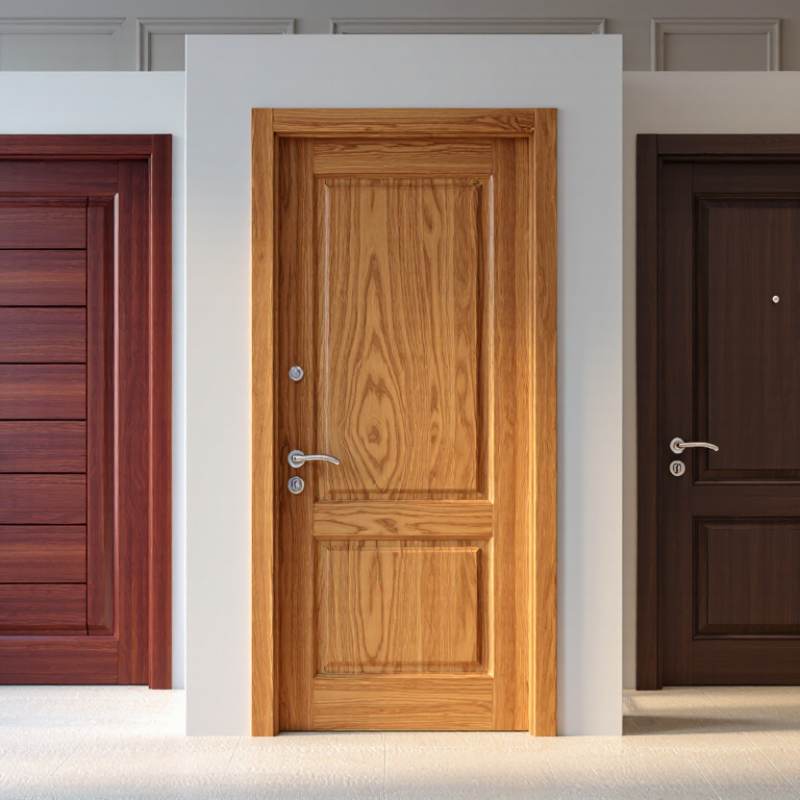
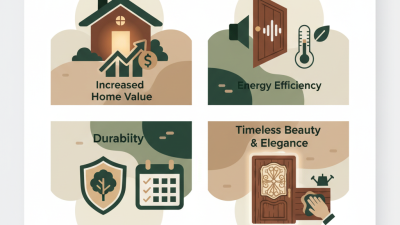
Wood entry doors remain a strong choice for global buyers because they combine insulation, repairability, and visual warmth.
The U.S. Department of Energy notes that wood generally conducts less heat than metal, helping reduce thermal bridging around entrances. The USDA Forest Products Laboratory’s Wood Handbook reports typical wood conductivity near 0.1–0.2 W/m·K, depending on species, moisture, and density. That difference becomes noticeable beside a cold hallway or a sun-heated exterior wall.
Performance depends on construction, not appearance alone.
A dense frame, stable core, weather seals, and correctly installed sill matter greatly. Buyers in humid coastal regions should request moisture-resistant coatings and protected joints. In dry climates, the door may shrink slightly. It happens. Regular inspection remains necessary.
The U.S. Environmental Protection Agency recommends checking weatherstripping and air leaks as part of home energy maintenance, and entry doors are common leakage points.
Responsible sourcing also strengthens wood’s global appeal.
The FAO Global Forest Resources Assessment 2020 states that forests cover about 31% of the world’s land area, while warning that forest quality and management remain uneven. Buyers should request traceable timber documentation and clear moisture specifications.
A practical detail is often missed: ask for installation guidance suited to the destination climate. Even an excellent door can warp when storage, transport, and installation conditions are ignored.
Wood is not maintenance-free. Yet it can be refinished, repaired, and adapted rather than immediately replaced.
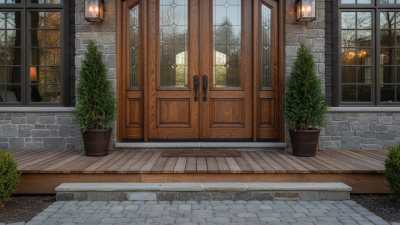
Wood species strongly influence how an entry door performs across changing climates. In humid coastal regions, teak offers excellent dimensional stability and natural resistance to moisture. Its dense grain also handles salty air better than many lighter woods. However, teak still needs careful joinery and regular finish checks. Nature helps, but it does not replace maintenance.
Mahogany remains a practical choice for warm, wet environments. It moves less than many domestic hardwoods and accepts protective coatings evenly. White oak suits temperate regions with seasonal changes, especially when its end grain is sealed properly. In cold climates, poor sealing can allow water into small joints. Freeze-thaw cycles may then create cracks. The door may look sound from the hallway.
Western red cedar performs well in mild, damp areas because it resists decay and remains relatively stable. Its softer surface can dent under daily traffic, though. In dry, sunny climates, cedar needs UV-resistant protection to reduce fading and surface checking. A deeply overhung porch also matters. Species alone cannot solve bad exposure.
From field inspections, installation details often matter as much as wood selection. A raised threshold, sloped sill, and concealed drainage path reduce water entry. I have seen expensive hardwood doors fail because the bottom edge was left unsealed. That mistake is easy to repeat. Buyers should request moisture-control details, tested finish systems, and climate-specific installation guidance before choosing a species.
2026 Best Wood Entry Doors for Global Buyers
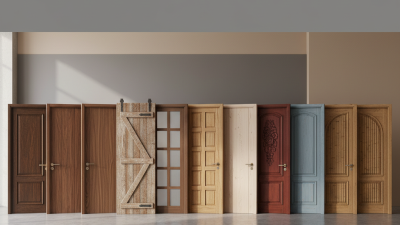
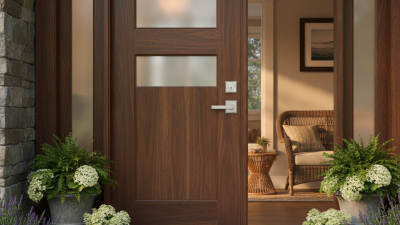
For global buyers, the best wood entry door balances appearance, security, and energy performance. A good design should match the building’s climate, not only its façade. Warm oak tones suit traditional homes, while flush panels create a quieter contemporary look. Look for straight grain, stable joinery, and moisture-resistant finishes. Deep entry overhangs can reduce rain exposure.
Security begins with the door core, frame, and installation. A dense hardwood slab offers strength, but the frame must resist spreading. Use a reinforced strike plate, a quality cylinder, and hinges with secure pins. A multi-point locking system can improve resistance against forced entry. However, hardware alone cannot fix a weak frame. On site, installers often find small gaps around the jamb. Those gaps matter.
Energy performance depends on the complete door assembly. Choose insulated cores, low-conductivity glazing, and continuous weather seals. Ask suppliers for tested U-values and air-leakage data, where local standards provide them. Results can vary between regions. A door rated well in a mild climate may perform differently in severe cold or heat. Wood also needs regular inspection, especially near coastal air or heavy rainfall. I would not treat maintenance as an optional detail. One missed finish crack can invite moisture, swelling, and difficult repairs. Careful installation remains essential.
Choosing a wood entry door in 2026 requires more than comparing photographs. Quality begins with stable timber, accurate joinery, and controlled moisture content. Ask for the wood species, core construction, finish system, and warranty terms. A well-built door should close evenly, resist warping, and keep its seals compressed. Check the threshold too. Poor drainage can damage an excellent door.
Customization affects both performance and price. Confirm the exact opening size, swing direction, glazing type, panel design, hardware preparation, and finish sample. Small changes can create large delays. For coastal or humid locations, request suitable coatings and corrosion-resistant hardware. Local energy and safety requirements may also affect glass and frame specifications. Verify these details with a qualified local installer.
Total purchase cost includes more than the factory quotation. Calculate crating, freight, insurance, import charges, unloading equipment, installation, and possible storage fees. Request a detailed pro forma invoice. Compare lead times and replacement procedures in writing. In project reviews, buyers often focus on the door price and underestimate fitting work. That comparison is incomplete. I have also seen attractive custom finishes look different under outdoor light. A physical sample is safer than a digital image, although it still cannot predict every variation in natural wood.
For global buyers, the best wood entry door is not always the thickest or most expensive. Species, moisture control, packaging, and local installation matter more. The FAO’s Global Forest Resources Assessment 2020 recorded about 4.06 billion hectares of forest worldwide. Ask for legal, traceable wood documentation and clear moisture specifications before ordering. A reputable supplier should provide dimensional drawings, finish details, test results, and replacement-part policies.
Shipping needs practical planning. The World Bank’s 2023 Container Port Performance Index showed major differences in port efficiency worldwide. Build extra time into delivery schedules. Use moisture-resistant wrapping, corner protection, and a crate that prevents twisting. Inspect the door immediately, especially after long sea transport. Photograph every side before opening fully. Small damage can become expensive after installation.
Tips: Confirm the rough opening locally. Do not rely only on a supplier’s standard size. Check humidity, rain exposure, threshold height, and inward or outward swing with a qualified installer. The U.S. Department of Energy notes that air leakage can significantly affect building energy use, so a weak seal can waste more than expected. Maintain the finish yearly, including the bottom edge and hinge side. Recoat earlier in harsh coastal climates. I have seen beautiful doors fail because installers ignored drainage. A perfect checklist does not exist; local weather can expose assumptions quickly.
| Wood Type | Typical Exterior Suitability | Natural Durability | Dimensional Stability | Climate Compatibility | Indicative Material Cost Level | Expected Maintenance | Shipping and Packaging Considerations | Installation Considerations | Best Use Case |
|---|---|---|---|---|---|---|---|---|---|
| Teak | Very high High natural resistance to moisture, insects, and decay when properly detailed and finished. |
Very high; naturally oily wood is widely used in demanding exterior applications. | High; generally performs well under changes in humidity, although movement still occurs. | Suitable for humid, tropical, coastal, and high-rainfall regions. Use corrosion-resistant hardware near saltwater. | High | Inspect annually. Recoat when the finish begins to fade, crack, or lose water repellency. Unfinished teak will weather to a silver-gray color. | Use ventilated, moisture-protected crating. Allow the door to acclimatize after arrival and protect it from rain during storage. | Provide a properly flashed sill, drainage path, sealed end grain, and compatible hardware. Avoid direct contact with standing water. | Premium coastal homes, tropical climates, and projects where low biological decay risk is important. |
| White Oak | High Strong and suitable for exterior doors when fully sealed and protected from prolonged wetting. |
High relative to many domestic hardwoods; heartwood has better decay resistance than sapwood. | Medium to high; more stable than many less-dense hardwoods but still requires balanced finishing. | Works well in temperate climates and protected rainy areas. In very humid climates, design and finish quality are critical. | Medium to high | Inspect every 12–24 months. Maintain all six faces, especially the bottom edge, hinge edge, lock edge, and end grain. | Heavy doors increase freight and handling requirements. Use corner protection, moisture barriers, and blocking that prevents warping in transit. | Use a rigid, accurately leveled frame and heavy-duty hinges sized for the finished door weight. | High-end residential entrances, traditional designs, and markets with established oak supply. |
| Sapele | High Commonly selected for exterior joinery because of its hardness, grain, and good finishing performance. |
Moderate to high; heartwood offers useful resistance when correctly sealed. | Medium to high; generally stable, but dark finishes can increase heat gain and surface movement. | Suitable for temperate and warm climates. In tropical or coastal areas, use a marine-grade exterior finish system. | Medium | Inspect annually in severe exposure and every 18–24 months in protected exposure. Maintain the finish before bare wood appears. | Protect from direct sun and rain during storage. Use breathable wrapping rather than sealed plastic that can trap condensation. | Seal cutouts for locks, hinges, glazing, and thresholds. Install with a sill pan or equivalent water-management detail. | Balanced choice for global projects seeking hardwood appearance, strength, and moderate cost. |
| Mahogany | High Suitable for exterior doors when the species source, moisture content, and finish quality are verified. |
Moderate to high, depending on the specific mahogany species and proportion of heartwood. | High; commonly valued for relatively low shrinkage and good machining characteristics. | Suitable for temperate and humid regions when protected from standing water and direct weathering. | Medium to high | Inspect annually. Dark or translucent finishes may require more frequent renewal in intense sunlight. | Confirm legal and sustainable sourcing documentation. Use sealed, impact-resistant packaging because dents and edge damage can be costly to repair. | Maintain a consistent finish on interior and exterior faces to reduce uneven moisture movement. | Elegant custom doors, carved panels, and projects requiring stable, easily worked hardwood. |
| Western Red Cedar | Moderate to high Lightweight and naturally decay-resistant, but softer and more vulnerable to dents than hardwoods. |
High natural decay resistance in heartwood; sapwood has substantially lower resistance. | High; typically performs well where moisture changes are frequent. | Good for wet, temperate, and moderate coastal climates. Use extra protection in high-impact or high-security applications. | Medium | Inspect annually. Clear finishes exposed to sunlight often require more frequent renewal than pigmented coatings. | Lower weight can reduce handling cost, but soft edges need rigid corner protection and non-abrasive separators. | Use careful fastening and avoid over-tightening, which can crush the fibers. Protect the threshold and bottom rail from splashback. | Rustic, contemporary, and environmentally focused designs where low weight and natural weather resistance matter. |
| Douglas Fir | Moderate Strong and widely available, but exterior performance depends heavily on complete sealing and maintenance. |
Moderate; heartwood is more durable than sapwood and should be clearly specified. | Medium; requires careful moisture control and balanced finishing to limit seasonal movement. | Best for sheltered entrances and temperate climates. More exposed climates require overhangs and frequent coating maintenance. | Low to medium | Inspect at least annually in exposed locations. Refinish promptly when coating breakdown or end-grain checking appears. | Usually economical to ship because of broad availability, but protect against moisture absorption and edge impact. | Specify a raised threshold, drip protection, sealed end grain, and a roof overhang where possible. | Cost-conscious projects, sheltered entries, and designs requiring a visible softwood grain. |
| Accoya-Free Modified Softwood Alternative | Project-dependent Thermally modified or otherwise treated softwood can improve stability, but the exact treatment must be verified. |
Varies by treatment process, wood species, and certification; do not assume all modified wood has the same decay class. | Usually improved compared with untreated wood, but performance remains product-specific. | Can suit demanding climates if the treatment, coating, and edge-sealing system are approved for exterior doors. | Medium | Follow the treatment supplier's coating schedule. Inspect annually for coating failure, joint opening, and moisture entry. | Request technical data for moisture content, treatment depth, allowable wrapping, and storage limits before shipment. | Use compatible fasteners and adhesives. Confirm that machining, cutouts, and field modifications do not compromise the treatment. | Projects prioritizing improved stability while avoiding high-density tropical hardwoods. |
Planning note: Performance depends on the complete door assembly, including wood species, moisture content, core construction, glazing, seals, finish, frame, threshold, exposure, and installation quality. Before ordering internationally, confirm local fire, security, energy, accessibility, import, and sustainable-sourcing requirements. Shipping cost and transit time vary by origin, destination, season, customs clearance, crate dimensions, and whether the order is shipped by air or ocean freight.