Top Benefits of Wpc Bathroom Doors for Modern Homeowners?
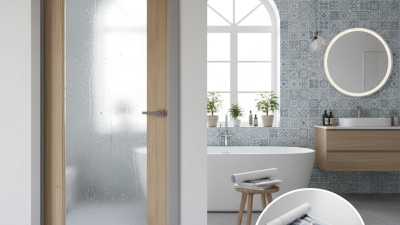
In the realm of modern home design, homeowners continuously seek innovative solutions. One such solution gaining traction is Wpc Bathroom Doors. These doors, made from a composite of wood and plastic, offer intriguing benefits and unique aesthetics. As more homeowners prioritize functionality and style, Wpc Bathroom Doors stand out for a variety of reasons.
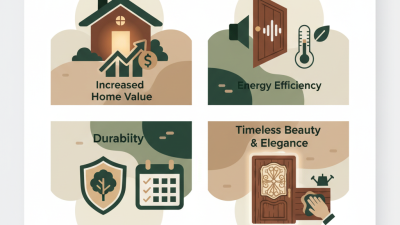
Durability is a key aspect of Wpc Bathroom Doors. Unlike traditional wooden doors, they resist moisture and are less susceptible to warping. This feature is crucial in a bathroom setting, where humidity levels can fluctuate dramatically. Furthermore, these doors come in various designs, allowing homeowners to align them with their personal style. However, some might argue that the initial costs can be higher than standard options.
Another significant advantage lies in their low maintenance. Wpc Bathroom Doors require minimal upkeep compared to wooden counterparts. A simple wipe down is often enough to keep them looking fresh. Yet, it’s vital to assess whether this reduction in maintenance truly offsets the potential aesthetic shortcomings for some users. Overall, Wpc Bathroom Doors symbolize a blend of practicality and modern design, making them a worthy consideration for today’s homeowner.
Top Benefits of WPC Bathroom Doors for Modern Homeowners
WPC (Wood Plastic Composite) bathroom doors are increasingly popular among modern homeowners. These doors combine
wood's aesthetic appeal with plastic's durability.
A recent industry report highlights that WPC products can last up to 50% longer than
traditional wooden doors. This makes them an excellent investment for those seeking longevity without sacrificing style.
Moreover, WPC doors are resistant to moisture and humidity, making them ideal for bathrooms. According to research,
nearly 80% of water damage claims stem from bathroom leaks. WPC doors significantly reduce this risk.
However, it's essential to ensure proper installation to maximize these benefits. Homeowners should consider hiring
professionals if they lack experience.
Another aspect to consider is the environmental impact. WPC products typically
incorporate recycled materials, contributing to sustainability. Yet, not all WPC doors are created equal. Some may contain
harmful additives. Review materials carefully. Although these doors offer numerous advantages, balancing aesthetics and safety
remains crucial. Embracing WPC technology requires informed decisions for the best outcomes.
Durability and Water Resistance of WPC Bathroom Doors
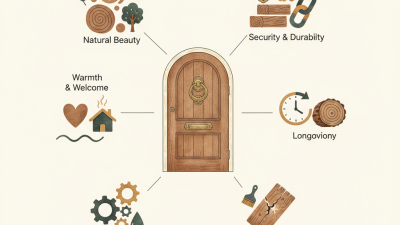
WPC bathroom doors stand out due to their impressive durability and water resistance. These doors are crafted from a composite material that combines wood fibers and thermoplastics. This unique construction helps them resist moisture damage, making them ideal for high-humidity environments like bathrooms. Homeowners can enjoy peace of mind knowing that their doors won't warp or swell over time.
Moreover, the water resistance of WPC doors helps prevent mold and mildew growth. Unlike traditional wooden doors, they require minimal maintenance. A quick wipe with a damp cloth is often sufficient to keep them looking new. However, some users might find scratches more visible on certain finishes. While WPC doors are tough, they are not completely impervious.
Ultimately, the choice of bathroom doors is crucial. WPC offers a balance of practical benefits and aesthetic appeal. These doors can complement various décor styles while standing up to the challenges posed by moisture. Yet, it’s essential for homeowners to assess their specific needs before making a decision. Each bathroom has unique characteristics that may influence the best choice.
Sustainability and Eco-Friendliness: The Green Choice for Homeowners
WPC bathroom doors have emerged as a favored choice for modern homeowners. Their eco-friendly properties make them a sustainable option. Made from wood plastic composite, these doors are designed to reduce waste. This blends natural beauty with modern innovation. Homeowners seeking green alternatives can rely on WPC for strength and durability.
Choosing WPC doors contributes positively to the environment. They are free from harmful chemicals that often accompany traditional wood products. This reduces the carbon footprint of your home. Moreover, these doors resist moisture, making them perfect for bathrooms. They require less maintenance, reducing the need for harmful cleaning products.
**Tips:** Consider the insulation properties of WPC doors. They perform well in temperature regulation. Think about your bathroom’s overall aesthetic. WPC can mimic natural wood. Experiment with colors and finishes to suit your style. Remember, less maintenance means more time enjoying your beautiful space.
Aesthetic Versatility: Design Options for Modern Interiors
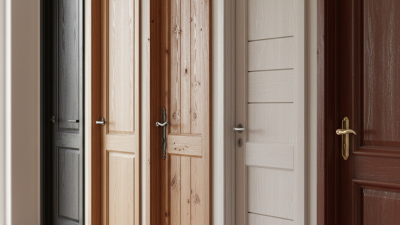
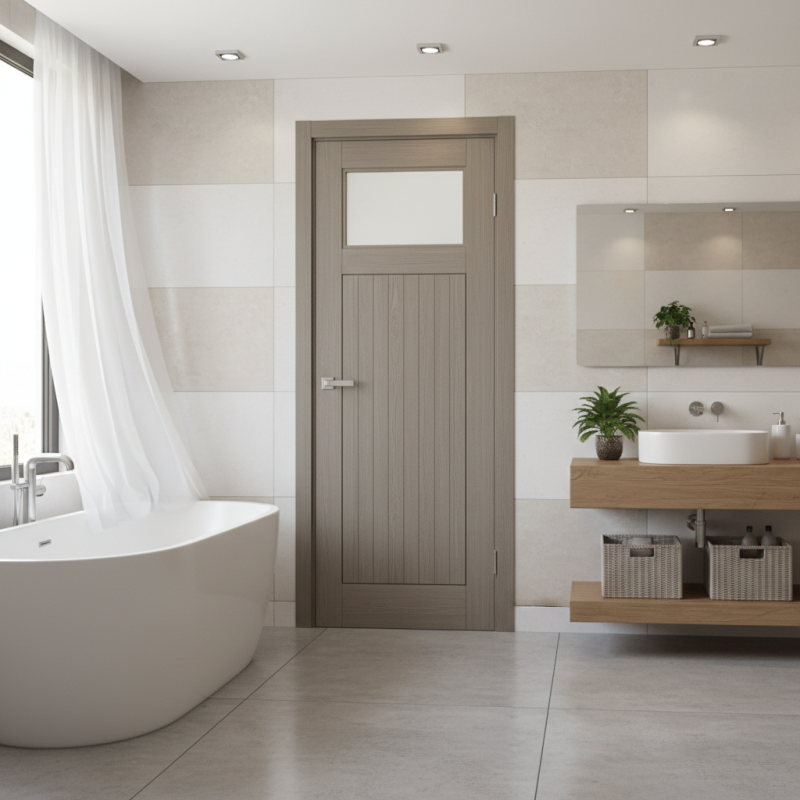
WPC bathroom doors are becoming a popular choice among modern homeowners. Their aesthetic versatility allows for a wide range of design options. Whether you prefer a sleek, minimalist look or a more elaborate style, WPC doors can fit right in. These doors can mimic the appearance of wood while offering increased durability and moisture resistance. This combination makes them perfect for bathrooms, where humidity can be an issue.
Incorporating WPC doors into your bathroom can enhance its overall design. Choose colors that complement your existing décor. Light tones can create an airy feel, while darker shades may add sophistication. Don’t shy away from textures, either. Textured surfaces can add depth and visual interest to your space.
Tips: Consider mixing and matching different design elements. A modern door frame can contrast beautifully with classic fixtures. Think about patterns or decorative accents that resonate with your personal style. Pay attention to how the door’s finish interacts with light and color in the room. Small details matter, as they can elevate your bathroom's atmosphere significantly.
Top Benefits of Wpc Bathroom Doors for Modern Homeowners
This chart represents the key benefits of WPC bathroom doors for modern homeowners, showcasing the advantages in terms of aesthetic versatility, durability, water resistance, low maintenance, and eco-friendliness. Each benefit is quantified to highlight its significance in contemporary home design.
Cost-effectiveness: Long-term Savings with WPC Doors
WPC (Wood Plastic Composite) bathroom doors are increasingly popular among modern homeowners seeking cost-effective solutions. According to the Construction Industry Research and Analysis, WPC doors can save homeowners up to 30% compared to traditional wood doors over a decade. This is largely due to their durability and resistance to moisture, which significantly reduces maintenance costs.
These doors are designed to withstand the corrosive effects of humidity often found in bathrooms. A study from the National Association of Home Builders indicates that homeowners report a 40% decrease in replacement frequency with WPC over standard materials. Investing in WPC can thus lead to substantial long-term savings.
However, there are aspects to reflect on. While initial costs for WPC doors may seem higher than basic alternatives, the long-term value is undeniable. Homeowners might still hesitate due to concerns over aesthetics or the perception of quality. Yet, the financial benefits backed by industry data can make a compelling case. Balancing immediate investments with future returns is essential.
Conclusion
WPC bathroom doors offer a range of benefits that make them an ideal choice for modern homeowners. Their impressive durability and water resistance ensure long-lasting performance in the often humid bathroom environment. As a sustainable option, WPC doors are eco-friendly, appealing to environmentally conscious individuals seeking green alternatives for their homes. Aesthetic versatility is another significant advantage, as they come in various designs and finishes that seamlessly integrate into contemporary interiors.
Moreover, WPC bathroom doors provide cost-effectiveness, allowing homeowners to save money in the long run due to their durability and lower maintenance needs. With minimal upkeep required, these doors reduce the time and effort associated with home care, making them a practical and stylish solution for anyone looking to enhance their living space. Overall, WPC bathroom doors combine functionality, sustainability, and elegance, making them a smart investment for modern homes.