How to Choose the Best Composite Stable Doors for Your Home?
Choosing the right doors for your home can be challenging. Composite stable doors offer a unique blend of style and functionality. These doors stand out due to their robust construction and appealing aesthetics.
When selecting composite stable doors, consider material quality. Look for options that promise durability and weather resistance. Also, think about color and design. A door should complement your home’s overall look.
Many homeowners overlook security features. It's crucial to examine locking mechanisms. Poor choices here can lead to safety concerns. Don't rush the decision. Take your time to evaluate every detail. Mistakes in selection can lead to regrets later.
Factors to Consider When Selecting Composite Stable Doors
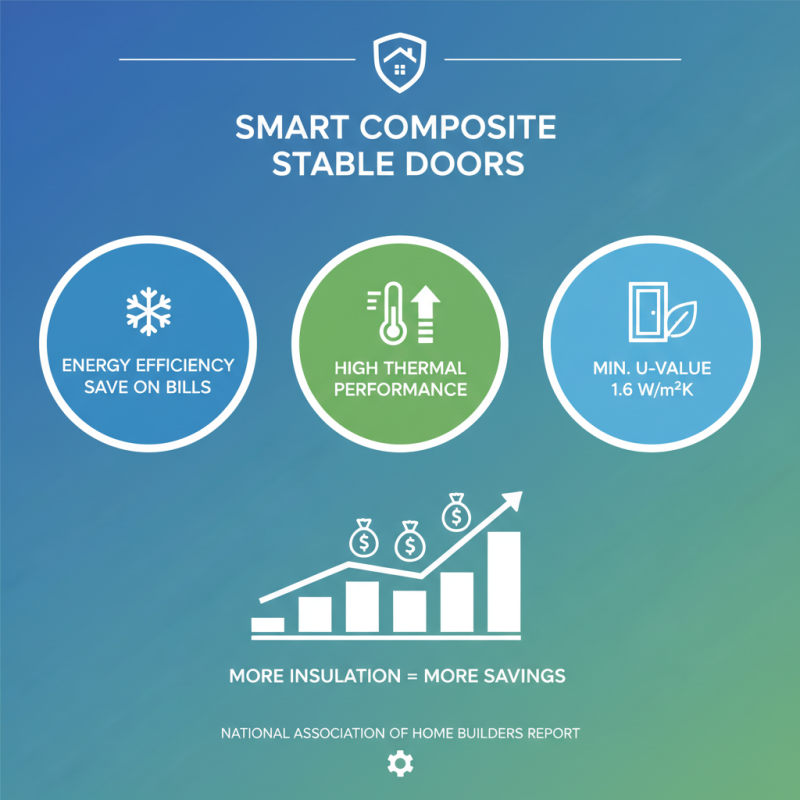
When choosing composite stable doors for your home, several factors deserve your attention. A report by the National Association of Home Builders indicates that energy efficiency can greatly affect your monthly bills. Look for doors with high thermal performance ratings. The more insulated the door, the more savings you can expect. Composite doors should have a minimum U-value of 1.6 W/m²K for effective insulation.
Durability is another critical aspect. Research shows that composite materials can withstand extreme weather conditions better than traditional wood. They do not warp, crack, or fade easily. Nevertheless, not all composite doors are created equal. Ensure you evaluate their resistance to moisture and pests. Some cheaper options might compromise this aspect, leading to maintenance nightmares.
Aesthetic appeal cannot be overlooked either. According to industry studies, about 70% of homeowners believe that curb appeal significantly impacts property value. Choose colors and finishes that complement your home’s design. Consider the door styles available and how they align with your vision. However, it’s normal to feel overwhelmed by choices. Taking the time to research can prevent regretful decisions later on.
Types of Composite Materials Used in Stable Doors
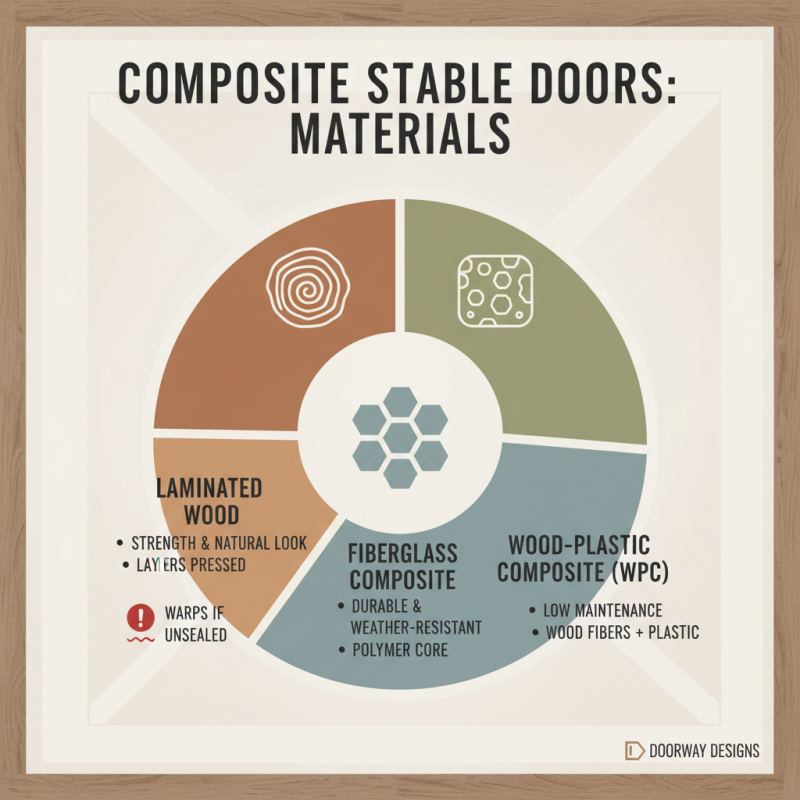
When choosing composite stable doors, understanding the materials is key. Several types of composite materials are commonly used. One popular option is laminated wood. This material offers both strength and a natural look. It combines layers of wood that are pressed together, enhancing durability and stability. However, it can warp if not properly sealed.
Additionally, glass-reinforced plastic (GRP) is another favorite. GRP doors are lightweight yet strong. They resist scratches and dents well, making them ideal for busy homes. The downside? GRP can feel less authentic compared to real wood. Some homeowners might miss that traditional touch.
Lastly, polyurethane foam cores are often used for insulation. These cores provide excellent energy efficiency, keeping homes warm. Yet, they can be prone to damage from extreme weather. All these materials have their benefits and drawbacks. It's vital to consider which aspects matter most for your home.
Sizing and Sizing Options for Your Composite Stable Door
When considering composite stable doors, sizing plays a crucial role in ensuring an ideal fit. The right size enhances functionality and appearance. Rooms may vary in dimensions, and measuring correctly is vital. Take note of the height and width required for your space. A poorly sized door can lead to drafts or security issues.
Standard sizes are available, but custom options might be necessary. Consider the width of the frame and the wall. Knowing the exact measurements helps avoid unpleasant surprises during installation. Some homeowners may overlook minor adjustments, leading to frustrations. Ensure you account for floor and ceiling height too.
Aesthetic appeal is also impacted by size. A door that's too small can appear lost, while one that’s too large may overwhelm the design. Visualize how the door fits with your home’s exterior. Assess whether the proportions feel balanced. Composite options come in various designs, so explore choices that resonate with your style. Reflecting on the aesthetic impact is just as important as practicality.
Style and Design Choices for Composite Stable Doors
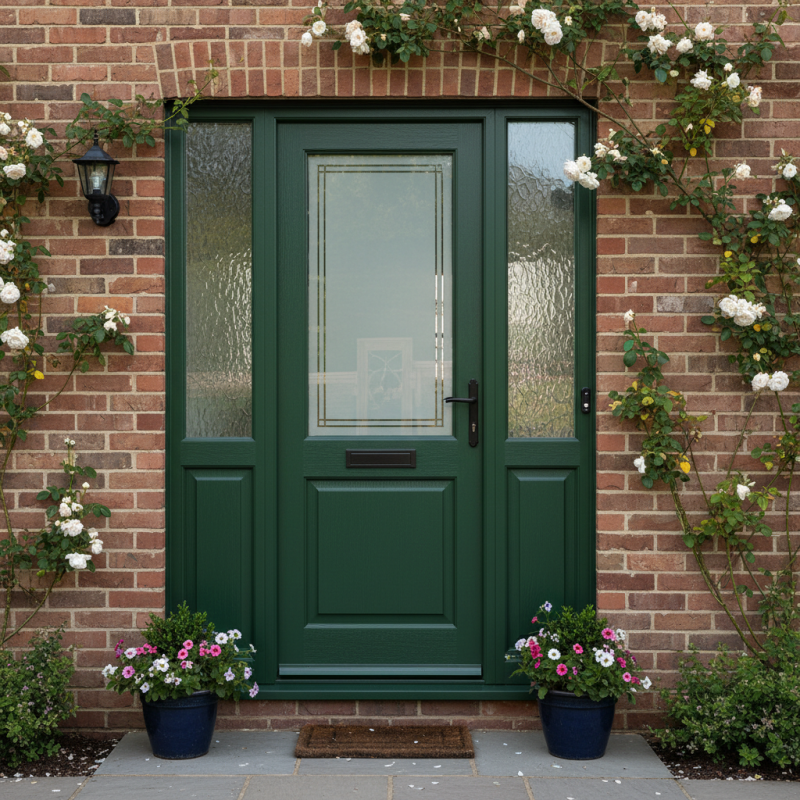
When choosing composite stable doors, style and design are crucial. Consider your home's overall aesthetic. These doors offer a blend of traditional and modern styles, making them versatile. You can opt for classic, rustic designs with wood-like finishes or sleek, contemporary looks. Each style brings a different vibe to your entrance.
Colors play a significant role in the design of composite stable doors. From muted earth tones to bold shades, your choice should reflect your personal taste. Adding decorative elements, like glass panels or unique handles, can enhance the door's appeal. However, picking the wrong color or style can clash with your home’s architecture. It's essential to visualize how the door fits with windows and other features.
Textures also matter. Some composite doors mimic the texture of real wood, giving an authentic feel. Others might have a smooth, modern finish. It sometimes feels overwhelming to find a balance between aesthetics and functionality. Take your time to explore all options. Reflect on what truly complements your home before making a decision.
How to Choose the Best Composite Stable Doors for Your Home? - Style and Design Choices for Composite Stable Doors
| Feature |
Description |
Benefits |
| Material |
Composite materials that offer durability and weather resistance |
Long-lasting and requires less maintenance |
| Design Options |
Variety of colors, finishes, and styles |
Allows customization to match home aesthetics |
| Energy Efficiency |
Insulated cores improve thermal performance |
Reduces energy bills through better insulation |
| Security Features |
Enhanced locking mechanisms and sturdy frames |
Increased protection against intruders |
| Sustainability |
Recyclable materials and environmentally friendly production |
Helps in reducing carbon footprint |
Cost Considerations and Budgeting for Your Stable Door Purchase
When considering a composite stable door, budgeting is crucial. Prices can vary based on materials, styles, and sizes. A basic model might cost less, while custom options can stretch budgets significantly. Understanding the total cost, including installation, helps in making informed choices.
Tips for budgeting include researching local installers. They can provide estimates and savings opportunities. Don't hesitate to ask about potential discounts or deals. To minimize costs, compare multiple options before making a decision.
Remember to factor in long-term savings. Energy efficiency and durability can reduce future expenses. Sometimes, paying a bit more upfront can lead to greater savings down the line. A lower-priced door may need frequent replacements or repairs. Balancing initial costs with quality is essential. Planning ensures your investment aligns with your needs and financial goals.