10 Essential Tips for Choosing Solid Wood Interior Doors
Choosing the right interior doors is crucial for any home design. According to a recent study by the Door and Hardware Institute, 70% of homeowners prioritize aesthetics and quality when selecting "Solid Wood Interior Doors." These doors not only enhance the beauty of a space but also provide durability and insulation. Expert John Miller, a veteran in wood craftsmanship, emphasizes, “Quality doors are the backbone of stylish interiors.”
However, selecting the perfect solid wood door isn't always straightforward. Homeowners often feel overwhelmed by the variety of options available. Mistakes in choices can lead to dissatisfaction and costly replacements. A good door should match the home’s architecture and personal style while ensuring proper functionality. It's vital to strike a balance between aesthetics, durability, and budget.
While solid wood doors offer many benefits, they also require maintenance and consideration of environmental factors. There might be imperfections in the wood, which can add character but also call for careful selection. Buyers need to educate themselves on wood types, finishes, and hardware to avoid pitfalls. Investing time in understanding these elements can make a significant difference in customer satisfaction.
Understanding the Benefits of Solid Wood Interior Doors
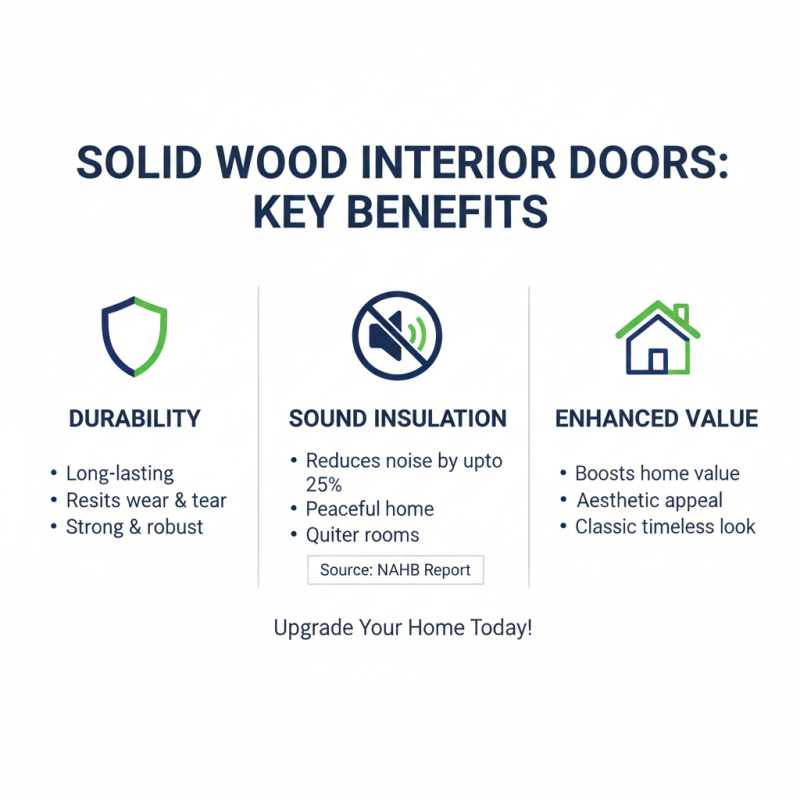
When considering solid wood interior doors, understanding their benefits is essential. Solid wood doors are known for their durability. They provide excellent sound insulation, significantly reducing noise between rooms. According to a report by the National Association of Home Builders, solid wood doors can reduce sound transmission by up to 25%. This can create a quieter, more peaceful home environment.
Another benefit is energy efficiency. Solid wood is a natural insulator. Doors made from solid wood can help maintain temperature in your home. The U.S. Department of Energy notes that well-insulated doors can save homeowners up to 15% on energy costs. Choosing the right door contributes to both comfort and savings.
However, maintenance is crucial. Solid wood can warp over time, especially in humid environments. Regular checks and treatments are necessary. Ignoring this can lead to costly repairs. It’s important to weigh the pros and cons honestly. Solid wood interior doors offer many benefits but come with their own challenges. Being aware of these can lead to better choices for your home.
Identifying Different Wood Species for Durability and Aesthetics
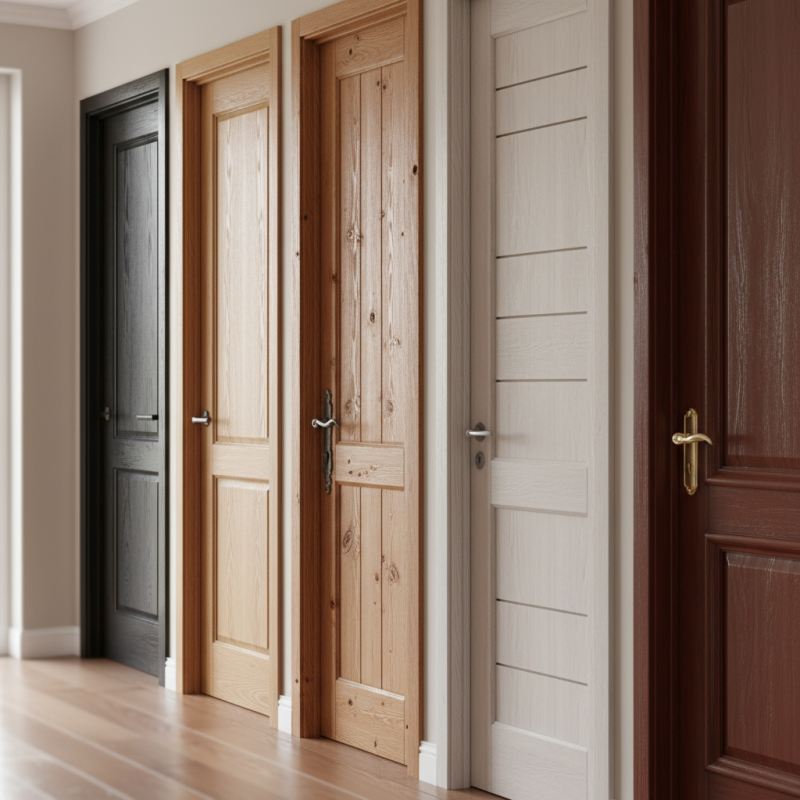
Choosing the right solid wood interior doors can significantly impact your home's aesthetics and functionality. Different wood species possess unique characteristics. Oak, known for its strength, is a popular choice. It is highly durable, making it ideal for high-traffic areas. Cherry offers rich color and is more elegant, perfect for upscale interiors. According to a report by the Wood Product Council, oak doors can last over 30 years when properly maintained.
When selecting wood, consider not just appearance but also durability. Maple is another solid choice, resistant to denting and scratching. It maintains its finish well, ensuring long-lasting beauty. However, maple can be more prone to warping in humid conditions. Be mindful of local climate when making a decision.
Tip: Always inspect the wood grain closely. A tight, uniform grain indicates better quality. A more irregular grain might suggest older or less stable wood. Such variations can affect the longevity of your doors. Trust your instincts when evaluating each option. Quality material can lead to fewer replacements down the line.
Ultimately, each type of wood has strengths and weaknesses. Balance between aesthetics and practical needs is crucial. Each choice will contribute to your overall design theme. Consider both immediate needs and future maintenance. Your decision will shape the essence of your home.
10 Essential Tips for Choosing Solid Wood Interior Doors - Identifying Different Wood Species for Durability and Aesthetics
| Wood Species |
Durability Rating |
Aesthetic Appeal |
Cost per Square Foot |
| Oak |
High |
Classic grain patterns |
$8 - $12 |
| Maple |
Medium |
Light, modern appearance |
$9 - $14 |
| Mahogany |
Very High |
Rich color and depth |
$12 - $20 |
| Cherry |
Medium to High |
Warm, reddish tones |
$10 - $16 |
| Pine |
Low to Medium |
Rustic look |
$5 - $9 |
Assessing Door Styles and Their Impact on Interior Design
Choosing solid wood interior doors is more than just a matter of functionality; it's a decision that shapes the overall aesthetic of your home. According to a report by the National Association of Home Builders, door styles can influence home value by up to 3%. This statistic underlines the importance of aligning door designs with your home's interior theme.
When assessing door styles, consider their impact on light and space. A classic panel door offers a traditional touch, while a modern flat door may enhance minimalistic decor. The door’s finish and color can also determine the room's mood. For a cozy atmosphere, opt for warmer wood tones. For a chic look, lighter shades work better.
Tip: Pay attention to door size. Oversized doors can become a focal point. Conversely, minimalist doors can create a seamless look.
Wood is versatile but varies in durability. Hardwoods like oak and maple are resistant to wear and tear. On the other hand, softer woods may dent easily. It’s crucial to reflect on how much traffic each door will face.
Tip: Review door hardware. A stylish handle can enhance a door’s appeal. Choose finishes that complement your overall design.
Evaluating Quality and Construction Techniques in Solid Wood Doors
When selecting solid wood interior doors, understanding quality and construction techniques is crucial. The choice of wood species greatly influences durability and appearance. Hardwoods like oak and maple provide strength, while softer woods may dent more easily. Consider the grain patterns and colors; they add character to your space but don’t always match well with existing decor.
Pay attention to the door's construction method. Solid core doors often feature layers of wood with a solid wood shell. This design enhances energy efficiency and soundproofing. Look for doors with mortise and tenon joints. These joints offer sturdiness and longevity compared to plain butt joints. It's essential to inspect the edges too; a well-finished edge indicates better craftsmanship.
It’s not only about aesthetics. Occasionally, doors may warp due to environmental changes, affecting their fit over time. This invites consideration of how tightly they close. A perfect door should not stick or create gaps. Think about whether you prioritize aesthetics or practicality. Sometimes the most beautiful door isn't the best choice. Trust your instincts but be open to reflection on your choices.
Budgeting for Solid Wood Doors: Cost Considerations and Value
When budgeting for solid wood interior doors, be prepared for moderate to high costs. A solid wood door typically ranges from $300 to $1,500. This can depend on the type of wood and the design. Oak, for instance, is often more costly than pine. According to industry reports, the average homeowner spends about $500 to $700 per door. Consider this when planning your renovation.
The durability of solid wood can justify the expense. Solid wood doors have a lifespan of 30 years or more with proper care. They offer excellent insulation, saving on energy costs over time. A survey by the National Association of Home Builders indicates that solid doors can increase home value by up to 10%. However, they require routine maintenance, which can add to long-term costs.
It’s essential to weigh aesthetics against budget constraints. While solid wood offers beauty, cheaper alternatives exist. Hollow-core doors, for instance, might be cost-effective but lack the same appeal and longevity. Investing in solid wood doors can be rewarding, yet it’s crucial to reflect on your financial situation and overall goals for your space.
Cost Considerations for Solid Wood Interior Doors