2026 Best Aluminium Bathroom Door Suppliers?
Choosing among the 2026 best Aluminium Bathroom Door suppliers requires more than comparing finishes and catalogue prices. Bathroom doors face constant humidity, splashing water, cleaning chemicals, and frequent daily use. Aluminium can resist corrosion effectively, but only when alloy selection, coating quality, drainage, and installation are properly controlled.
The global aluminium doors market was valued at approximately US$58.3 billion in 2023, according to Fortune Business Insights’ Aluminium Doors Market report. Its forecast indicates continued growth through 2032. However, this research covers many door applications, not bathroom doors alone. That limitation matters. The 2024 U.S. Houzz Bathroom Trends Study also shows continued investment in upgraded bathrooms, including improved shower areas and durable fittings. Demand is real, but product-specific evidence remains surprisingly thin.
Nigel Chevin, former chief executive of the Council for Aluminium in Building, has repeatedly emphasised a practical principle: “Good aluminium design starts with performance, not appearance.” That idea should guide supplier evaluation. Look for documented alloy grades, powder-coating standards, hardware testing, water-management details, and installation support. Ask how the door performs after years of wet-room exposure, not only how it looks on a showroom wall.
A reliable 2026 supplier should provide samples, technical drawings, warranty terms, and traceable project references. Small details reveal experience. Check hinge alignment, seal compression, threshold design, and coating consistency around cut edges. Some comparisons still reward the lowest quotation too quickly. That is a weakness. The cheapest Aluminium Bathroom Door may become expensive after swelling panels, loose hardware, or repeated replacement. A careful shortlist should balance verified performance, manufacturing expertise, supplier authority, and real customer experience.
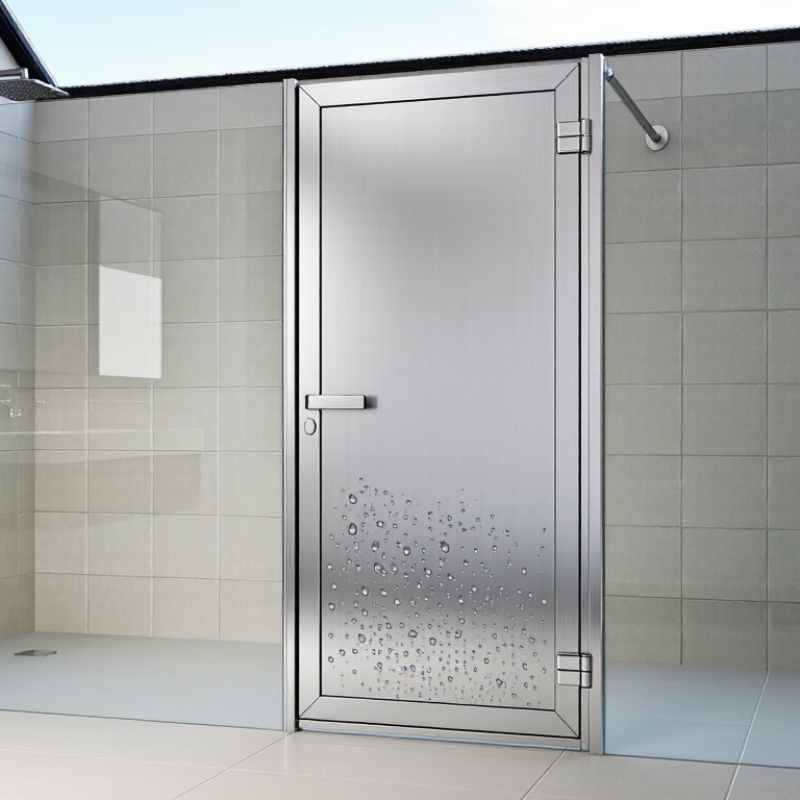
What Makes an Aluminium Bathroom Door Supplier the Best in 2026?
In 2026, the best aluminium bathroom door supplier offers more than attractive frames. They understand moisture, ventilation, privacy, and daily family use. In my experience, reliable suppliers ask about opening size, wall condition, water exposure, and cleaning habits before recommending a model. This practical consultation matters. A door can look excellent in a showroom and still fail in a humid bathroom.
Professional knowledge appears in material choices and manufacturing details. Look for corrosion-resistant aluminium, stable powder coating, accurate corner joints, and moisture-tolerant hardware. Strong suppliers provide clear specifications, installation guidance, and realistic lead times. They also explain maintenance instead of promising a “no problem” product. That honesty builds trust. I would check samples, finish consistency, seal alignment, and hinge movement by hand. Small defects often become loud rattles or difficult closing later. A perfect inspection is rare, but ignoring warning signs is worse.
Tips:
Request a written quotation with dimensions, glass or panel type, hardware grade, warranty terms, and after-sales response times. Ask who handles installation and how damaged parts are replaced. Compare service quality, not only price. One supplier may be cheaper, yet repeated adjustments can cost more. I still think suppliers should publish clearer humidity-test evidence. Many do not, so buyers must ask uncomfortable questions. Choose a supplier that answers precisely and documents its process.
How to Evaluate Aluminium Door Suppliers and Manufacturers
2026 Best Aluminium Bathroom Door Suppliers?
Choosing a bathroom door supplier requires more than comparing online prices. Examine the aluminium grade, wall thickness, surface treatment, and hardware quality. A reliable manufacturer should explain these details clearly. Ask for product samples, installation drawings, and recent quality inspection records. Check whether the door remains stable beside a shower, where warm moisture meets a cold floor. Small details matter. Look closely at corner joints, drainage gaps, hinges, and sealing strips. Poor alignment often appears during this simple inspection.
Visit the factory or request a live production video when possible. Observe cutting accuracy, powder coating consistency, assembly methods, and packaging protection. Ask how the supplier handles damaged goods, replacement parts, and delayed shipments. A written warranty is useful, but its response process matters more. Request references from comparable bathroom projects, not only large commercial installations. Confirm production capacity before accepting a low quotation. Cheap capacity can become expensive.
Tips:
Build a short evaluation checklist. Compare at least three suppliers using the same questions. Test a sample door with repeated opening, closing, and water exposure. Review test reports from recognized independent laboratories. Confirm tolerances before mass production. One overlooked measurement can disrupt an entire installation. I would also record every promise in writing, because memory is unreliable and assumptions create avoidable disputes. A supplier may look professional online yet communicate poorly after payment. That is worth noticing early.
Comparing Materials, Designs, Prices, and Customization Options
Choosing the best aluminium bathroom door supplier in 2026 requires more than comparing catalogue prices. Aluminium resists moisture, while uPVC usually costs less but offers fewer rigid, slim-frame designs. The International Aluminium Institute reports that recycling aluminium uses about 95% less energy than primary production. Ask suppliers for recycled-content documentation, not vague “eco” claims.
Design affects performance and price. Powder-coated frames suit humid rooms and offer consistent colour. Anodised finishes provide a harder surface, though scratches can be more visible. Sliding doors save floor space, while hinged doors simplify cleaning and seal replacement. For safety, request tempered or laminated glass with tested hardware. The National Glass Association identifies safety glazing as essential in areas exposed to human impact. Small details matter.
Pricing should show the complete installed package: frame, glass, seals, fittings, delivery, and labour. Request at least three itemised quotations. Custom options may include non-standard widths, matte textures, privacy glass, soft-close hinges, and accessibility adjustments. A supplier promising every option instantly deserves questions. Lead times can change with custom powder coating or imported components. I would also inspect sample corners and drainage channels before ordering. Online ratings help, but verified project references are stronger evidence. One weakness remains: published market reports often combine bathroom doors with wider aluminium construction products, so their price averages need careful interpretation.
2026 Best Aluminium Bathroom Door Suppliers?
Comparing materials, designs, prices, and customization options
| Door design |
Common frame material |
Typical glass thickness |
Customization options |
| Standard hinged |
6063 aluminium alloy |
6–8 mm tempered glass |
High |
| Sliding |
6063 aluminium alloy |
6–10 mm tempered glass |
Very high |
| Bi-fold |
6063 aluminium alloy |
6–8 mm tempered glass |
Very high |
| Frameless aluminium-edge |
Anodized or powder-coated aluminium |
8–10 mm tempered glass |
Medium |
The chart shows indicative 2026 retail price ranges in USD per door, excluding installation, shipping, and taxes. Sliding and bi-fold systems generally cost more because they use specialized rollers, tracks, hinges, and sealing components. Powder coating and anodizing are common aluminium finishes for humid bathroom environments, while custom dimensions, glass patterns, hardware finishes, and color matching can increase the final quotation.
Questions to Ask Before Choosing a Bathroom Door Supplier
Choosing among the best aluminium bathroom door suppliers in 2026 requires more than comparing prices. Ask how long the supplier has produced bathroom doors and request evidence from completed projects. A reliable supplier should explain aluminium thickness, surface treatment, hinge quality, and moisture resistance in clear terms. Ask whether the door suits humid rooms, narrow frames, and frequent daily use. Avoid vague answers.
Ask for written details about measurements, installation, delivery time, warranty coverage, and after-sales support. Who checks the final dimensions? What happens if the door arrives scratched or does not close properly? A trustworthy supplier should provide samples, technical drawings, and realistic maintenance instructions. Check whether replacement handles, seals, and rollers remain available. Cheap parts can create expensive repairs later.
Tips: Stand beside a sample door and open it several times. Listen for rattling. Inspect the corners, drain holes, powder coating, and seal alignment. Ask for recent customer references, not only polished photographs. Confirm that installers understand bathroom ventilation and water exposure. I once overlooked the frame depth on a renovation project, and the door required adjustment after delivery. That mistake was avoidable. Suppliers who welcome detailed questions usually understand their products better. Test the details.